Custom Home Builder: Expert Custom Home Construction
Crafting Distinctive Spaces: How a Custom Home Builder Converts Your Vision Into Reality
Custom home builders play an essential role in bringing to life individual aspirations for a dream home. Through a structured approach, they collaborate with clients to grasp their unique preferences and functional needs. This partnership involves not only design collaboration but also budget management and site selection. However, the journey from vision to reality is commonly filled with challenges that can affect the outcome. What are the key steps in this transformative process?
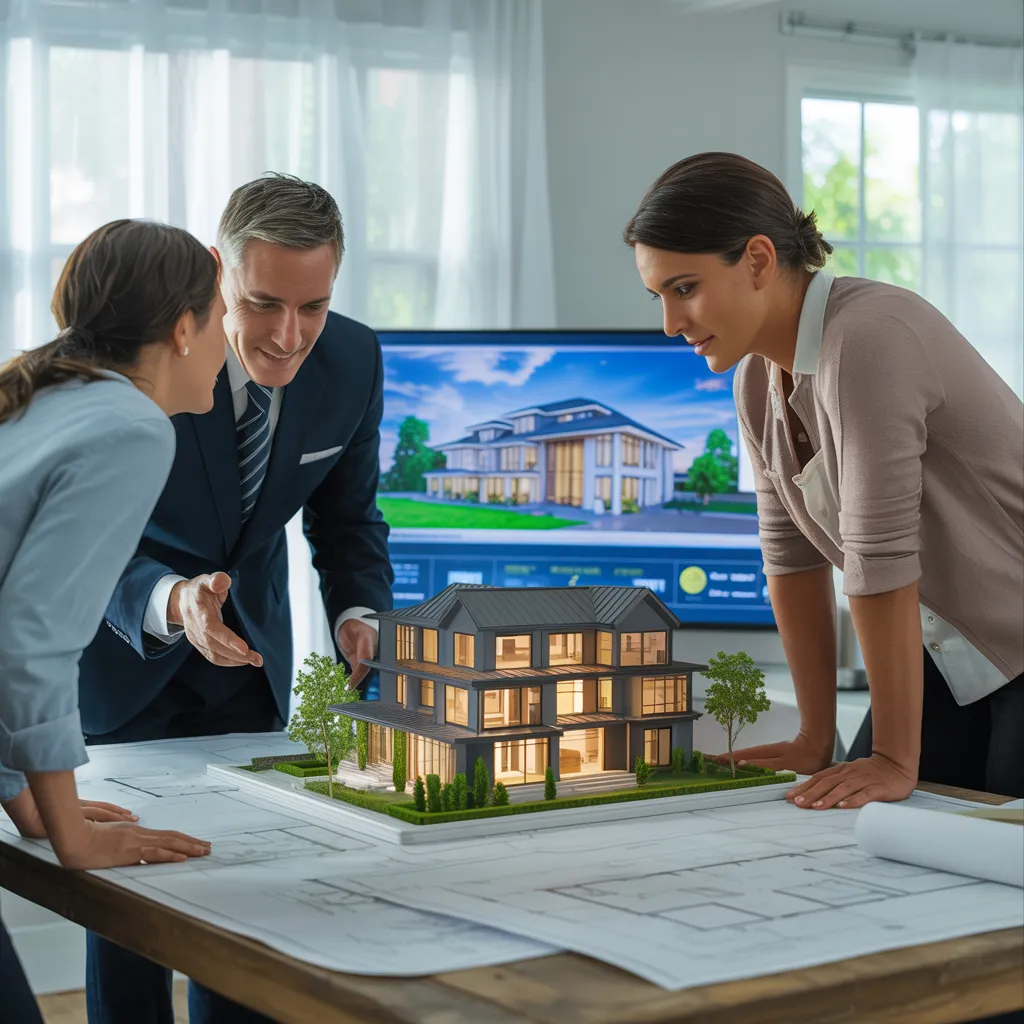
What Services Does a Custom Home Builder Provide?
A custom home builder plays an essential role in transforming a homeowner's vision into reality. They act as the connection between homeowners' abstract concepts and the physical dwelling that will materialize. At the start, they analyze the project dimensions, delivering specialized insight into design aspects, material options, and construction techniques. This enables homeowners to comprehend how their concepts can be realized within financial limitations.
Custom home builders oversee different specialists, like architects, engineers, and subcontractors, guaranteeing that all components of the project correspond with the homeowner's goals. They also manage timelines, oversee quality control, and navigate permits and regulations, making the process smoother for the homeowner. By applying their skills and proficiency, custom home builders establish a partnership-driven setting, empowering homeowners to make well-informed selections throughout the project. Ultimately, they transform dreams into unique living spaces crafted to match the homeowner's desires and lifestyle.
Sharing Your Vision: The Initial Consultation
The opening consultation is an essential stage in the custom home building process, as it emphasizes understanding the client's preferences and aspirations. During this meeting, builders and clients work together to establish clear project goals that match the homeowner's vision. This primary exchange sets the tone for a successful partnership throughout the development phase.
Learning About Your Preferences
How can a builder genuinely capture a homeowner's vision without grasping their distinct preferences? During the initial consultation, effective communication is essential. Homeowners are invited to share their preferences, aversions, and inspirations, offering a comprehensive insight into their style. This conversation enables builders to assess aesthetic preferences, practical needs, and lifestyle considerations. Analyzing details such as color schemes, architectural designs, and design elements assists the builder in creating a personalized approach. Moreover, examining practical elements—like financial constraints and expected timelines—further enhances the vision. By attentively listening and presenting specific questions, builders can establish a collaborative relationship, confirming that the final design reflects the homeowner's aspirations. Ultimately, this understanding lays the groundwork for a successful custom home project.
Setting Project Aims
Establishing project goals during the initial consultation is a crucial step in the custom home building process. This meeting permits the homeowner and builder to establish a clear understanding of the homeowner's vision, preferences, and priorities. By discussing important elements such as budget, design style, and functionality, both parties can align their expectations. The builder encourages the homeowner to express their desires, from layout specifics to aesthetic choices, ensuring that no detail is overlooked. This collaborative discussion not only fosters trust but also helps in identifying potential challenges early in the process. In the end, a well-defined set of project goals paves the way for a successful design and construction journey, transforming the homeowner's dream into a tangible reality.
Working Together on Design: Tailoring Layout Designs and Finishes
When commencing on the journey of building a custom home, design collaboration becomes a essential element in realizing a unique living space. This process empowers homeowners to personalize floor plans and finishes to reflect their personal style and functional needs. Working with a custom home builder encourages open communication, confirming that every detail reflects the homeowner's vision.
From choosing layouts that enhance space to selecting materials that improve aesthetics, collaboration is critical. Homeowners might explore options such as open-concept living areas, gourmet kitchens, or spa-like bathrooms, all of which support the home's overall character. Moreover, finishes such as cabinetry, flooring, and fixtures serve a crucial role in perfecting the design. By combining creativity and practicality, the collaboration between homeowners and builders yields a harmonious space that reflects individuality and comfort, setting the foundation for a truly custom home experience.
The Impact of Design Choices on Your Budget
Architectural choices substantially influence a custom home builder's budget through factors such as material grade, design complexity, and the balance between customization and standardization. Top-tier materials and complex designs often result in increased costs, while choosing standard features can help control expenses. Understanding these dynamics is critical for homeowners to align their visions with their financial plans.
Selection of Material Quality
Material quality choices play a crucial role in shaping both the aesthetic appeal and the financial feasibility of a custom home project. The choice of materials considerably determines not only the aesthetic and character of a home but also its overall cost. Higher-quality materials often come with a premium price tag, influencing the overall budget. However, investing in high-quality, eco-friendly materials can yield long-term savings through decreased upkeep expenses and enhanced energy savings. In contrast, opting for inferior materials may initially save money but could lead to higher replacement costs over time. Homeowners must thoroughly assess their priorities, balancing visual goals with functional requirements and budget constraints, ensuring that each material choice matches their vision while remaining economically viable.
Design Complexity Influence
While homeowners often picture their dream spaces with complex designs and one-of-a-kind features, the complexity of these options can significantly impact the overall budget. Each design aspect, from custom cabinetry to detailed architectural details, affects the project's cost. Complex layouts can require more labor and specialized skills, raising expenses. Furthermore, unique features often call for higher-quality materials, which can further strain the budget. Homeowners should also consider the potential for increased timeframes, as elaborate designs may prolong project durations, leading to additional costs. As a result, understanding the relationship between design complexity and budget is crucial for homeowners, ensuring that their visions are both achievable and financially viable. Harmonizing creativity with practicality is vital in the custom building process.
Personalization Versus Uniformity
Homeowners confront an important determination when evaluating customization and standardization in their home projects, as this decision directly shapes their budget. Customization generally facilitates unique designs that showcase personal tastes and requirements, but it commonly carries higher costs due to personalized materials and specialized labor. In contrast, standardized solutions can lower expenses by taking advantage of mass-produced elements. However, they may constrain individuality and flexibility in design. Homeowners must carefully examine how much customization they need against their financial boundaries. By doing so, they can handle the trade-offs between creating a distinctive living space and adhering to a practical budget. Ultimately, achieving a harmonious balance between these two approaches is essential for obtaining a gratifying and financially viable outcome.
Choosing the Ideal Site for Your Personalized Home
How does one determine the ideal location for a custom home? Choosing the right site is important for ensuring the home meets both aesthetic goals and practical needs. Numerous factors contribute to this decision. First, potential homeowners should consider proximity to vital amenities such as schools, shopping centers, and healthcare facilities. Access to major transportation routes can enhance accessibility practical guide and connectivity.
Subsequently, the terrain plays a significant role. Analyzing the topography, sun exposure, and existing vegetation can shape design selections and energy efficiency. Zoning laws and building codes must also be evaluated, as they determine what can be constructed on a given site.
Last but not least, comprehending the local community and its culture can help establishing whether the environment aligns with the homeowner's lifestyle. By thoughtfully evaluating these elements, individuals can make educated choices that guarantee their custom home is not only one-of-a-kind but also ideally situated.
Overcoming Difficulties During Construction
Navigating the construction of a custom home regularly introduces a myriad of challenges that call for careful management and problem-solving skills. Weather-related delays, unforeseen site conditions, and supply chain disruptions can all hamper progress. A custom home builder must expect these issues and develop contingency plans to reduce their impact. Efficient communication with subcontractors and suppliers is imperative to confirm timely procurement of materials and labor.
Additionally, modifications in customer preferences or project scope can arise during construction, demanding prompt adjustments while keeping budgetary constraints. Managing these challenges requires flexibility and expertise, as the builder balances customer expectations with practical limitations. By fostering a collaborative environment and using strategic planning, a custom home builder can manage obstacles successfully, maintaining the project on track. Finally, overcoming these challenges is critical to transforming a client's vision into a tangible reality, yielding a uniquely crafted home customized to their requirements.
Final Touches: Making Your House a Home
The final touches in a custom home project play an essential role in transforming a newly built house into a warm and inviting home. These finishing components, ranging from paint colors to decorative fixtures, reflect the homeowners' personal style and preferences. Custom home builders collaborate closely with clients to select details that enhance both functionality and aesthetic appeal.
This phase frequently encompasses setting up lighting that creates ambiance, opting for cabinetry that offers both aesthetic appeal and storage, and opting for flooring that complements the overall design. Soft furnishings, such as curtains and rugs, also soften spaces and add comfort.
Outdoor features and landscaping, like patios or gardens, extend the property's charm to the exterior, inviting connection with nature. Ultimately, these final touches do more than complete the residence but also fill it with warmth and character, making it truly feel like home.
FAQ
How Much Time Does the Custom Home Building Process Usually Take?
The custom home building process typically takes between six months to over a year. Factors that impact the timeline include design intricacies, obtaining permits, weather circumstances, and the construction team's efficiency in executing the project.
Can Changes Be Made During Construction?
Construction changes are possible, although their timing and feasibility vary based on the project phase. Property owners need to engage with contractors quickly to explore possible modifications and comprehend any effects on schedules and expenses.
What Types of Warranties Come With a Custom-Built Home?
Most often, a custom-built home provides warranties addressing structural integrity, roofing, plumbing, and electrical systems. Coverage duration varies by builder, frequently ranging from one to ten years, ensuring protection against defects and giving peace of mind to homeowners.
How Can Custom Home Builders Take Care Of Permits and Inspections?
Custom home builders typically manage permits and inspections by collaborating with local authorities, securing compliance with regulations, and scheduling required inspections at multiple construction stages to promote a streamlined and effective building process for their clients.
What Occurs When My Budget Surpasses the Original Projections?
If project costs exceed initial calculations, custom home builders typically communicate alternatives with clients, allowing for changes to design elements or material selections. They may recommend phased construction or alternative solutions to manage costs effectively while ensuring the integrity of the build.